Project Management Concepts
A complete visual glossary of key terms and frameworks.
Initiation
Project Charter
A formal document that authorizes a project, outlines its objectives, identifies key stakeholders, and defines the authority of the project manager.
Business Case
A document that justifies the investment in a project by outlining its benefits, costs, and risks. It answers the question, "Why should we do this project?"
System Needs Assessment
A systematic process for determining and addressing needs or "gaps" between a current condition and a desired future condition.
Value Proposition

A statement that clearly explains the value a project or product delivers to its customers and how it differs from competitors.
Project Canvas & Envision Box
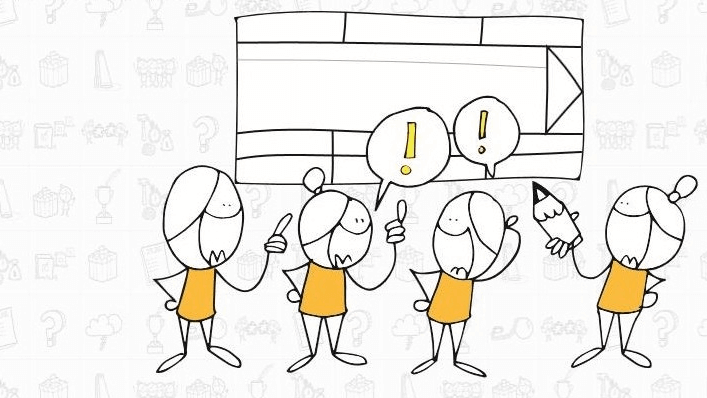
Agile tools used to build a shared understanding of a project's goals, scope, and value on a single, collaborative page.
VUCA Framework

A framework to assess if an environment is volatile, uncertain, complex, or ambiguous (VUCAAn acronym for Volatility, Uncertainty, Complexity, and Ambiguity.) to help choose between Agile and Waterfall.
Definition
Waterfall vs. Agile

Waterfall is a traditional, linear approach. Agile is an iterative, flexible approach focused on continuous feedback and value delivery.
Project Scope

The "what" of your project. A well-defined scope has clear boundaries to prevent scope creepUncontrolled changes or continuous growth in a project's scope..
Work Breakdown Structure (WBS)
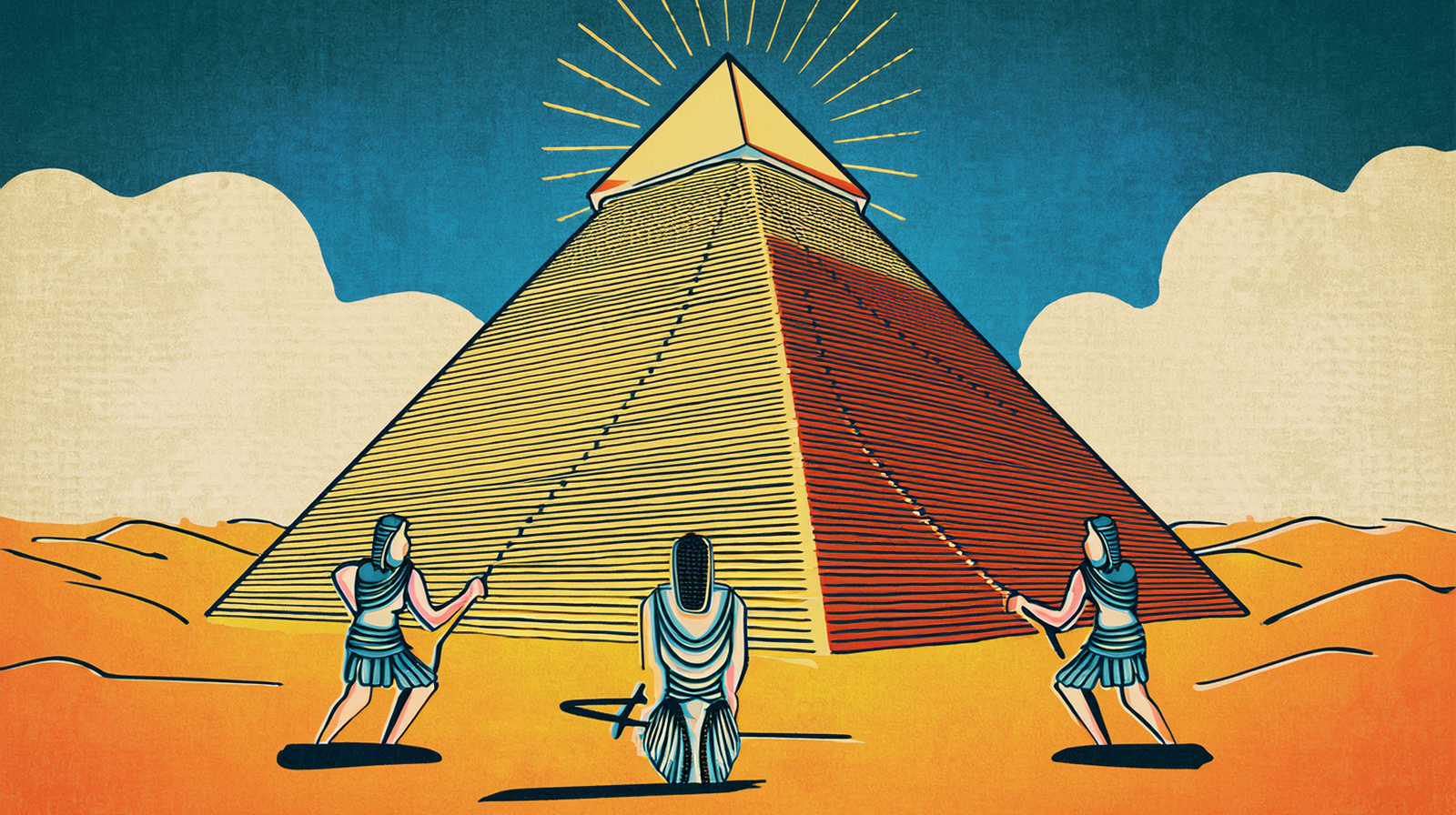
A traditional tool that provides a hierarchical decomposition of the total scope of work to be carried out by the project team.
Planning
Project Management Plan (PMP)
The master document for a traditional project, outlining how it will be executed, monitored, controlled, and closed.
Product Roadmap

A high-level strategic plan that outlines the vision and direction of the product, focusing on goals and outcomes over time.
Minimum Viable Product (MVP)
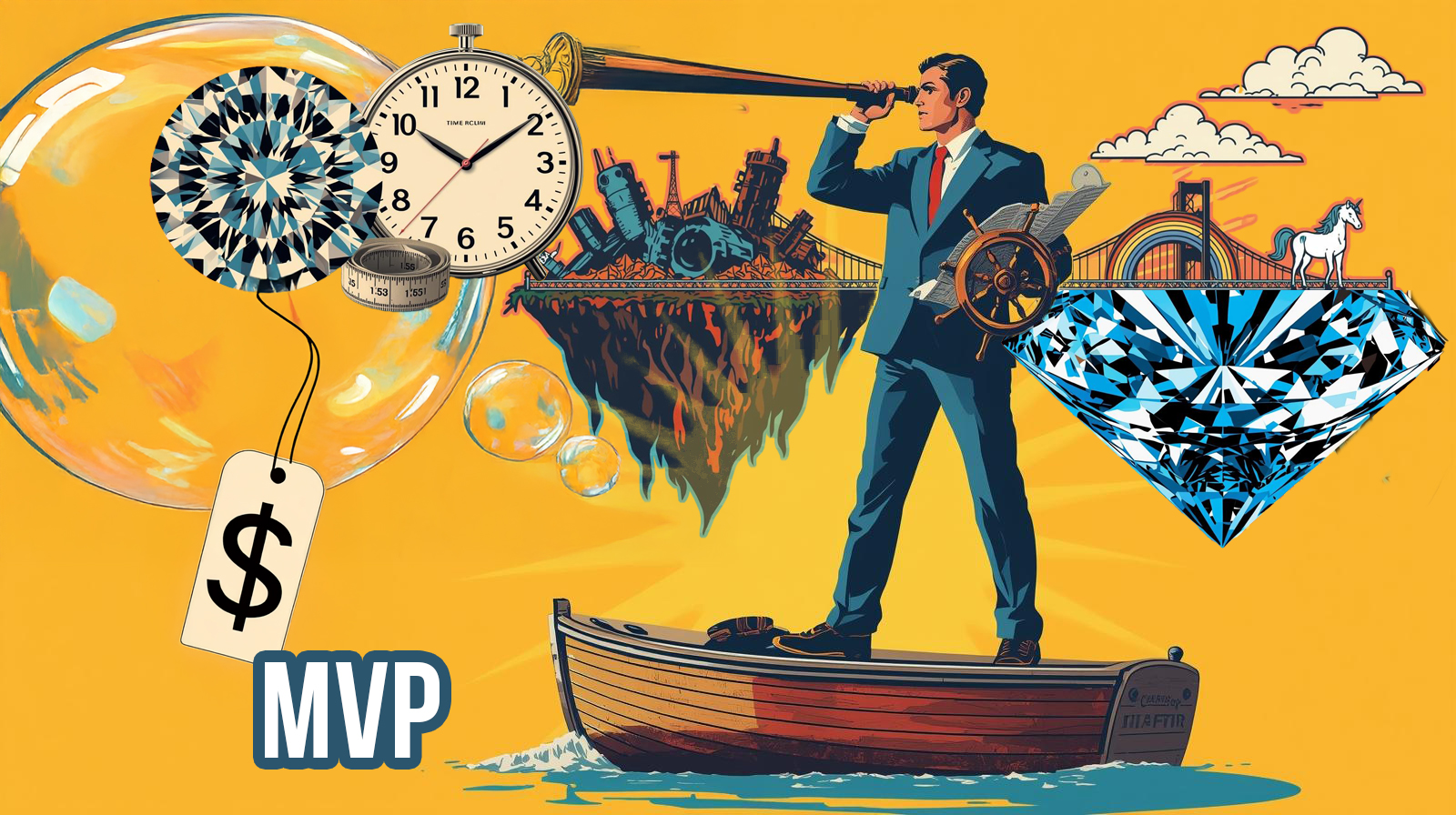
The simplest version of a product that can be released to provide value to early customers and gather feedback for future development.
Critical Path Method
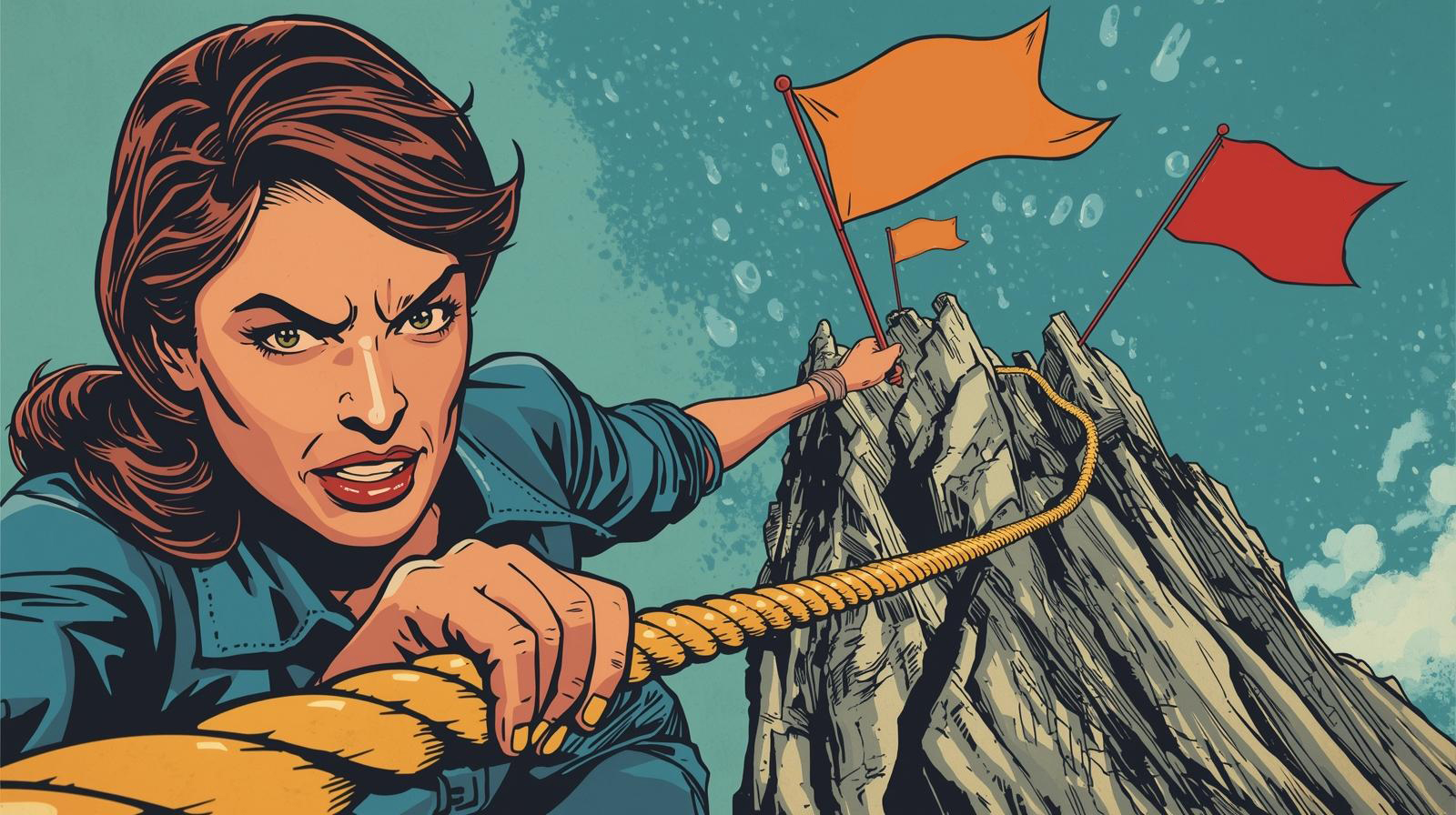
The longest sequence of dependent tasks that determines the shortest possible project duration. Delays on this path delay the entire project.
Gantt Chart

A traditional bar chart that illustrates a project schedule, showing the start and finish dates of the terminal elements and summary elements of a project.
Risk Management

The process of identifying, assessing, and controlling threats to a project's capital and earnings. Involves creating a Risk Register and an Issue Log.
Capacity & Velocity
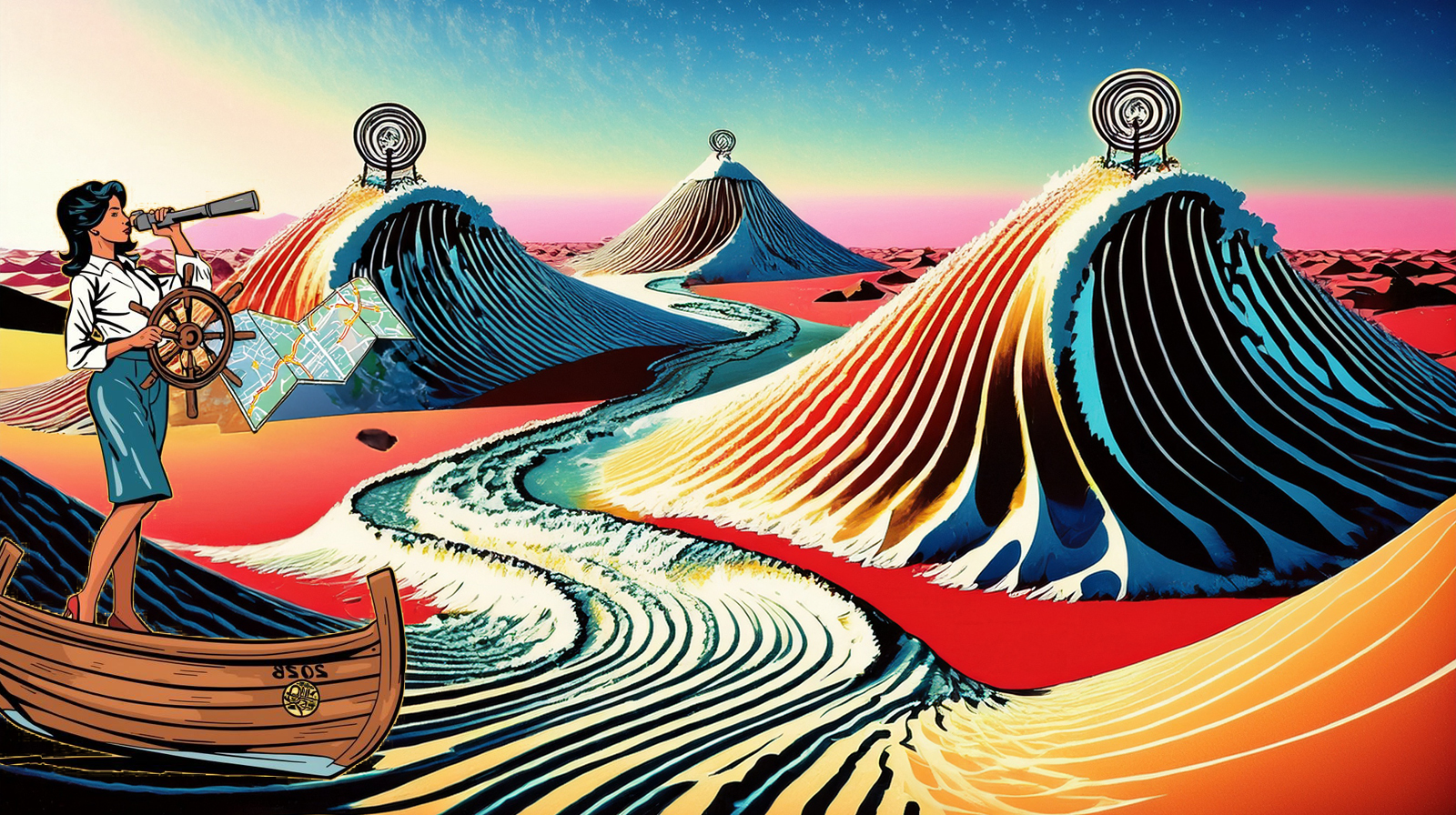
Capacity is the team's availability for a Sprint. Velocity is the average amount of work completed in past Sprints. Both are key for realistic planning.
Rolling-Wave Planning
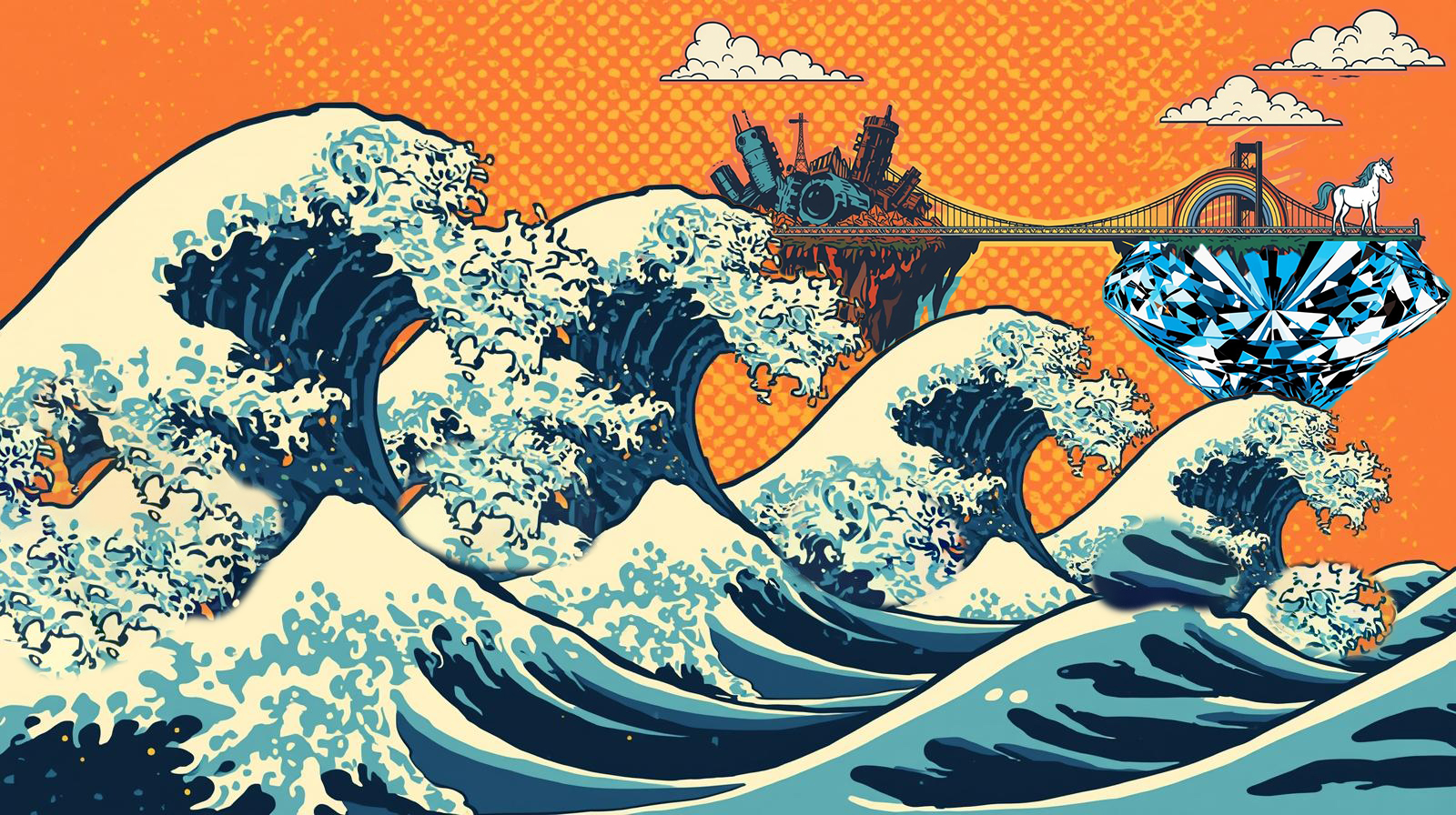
An Agile technique of planning near-term work in detail while leaving future work at a higher level, to be planned as it gets closer.
RACI Chart
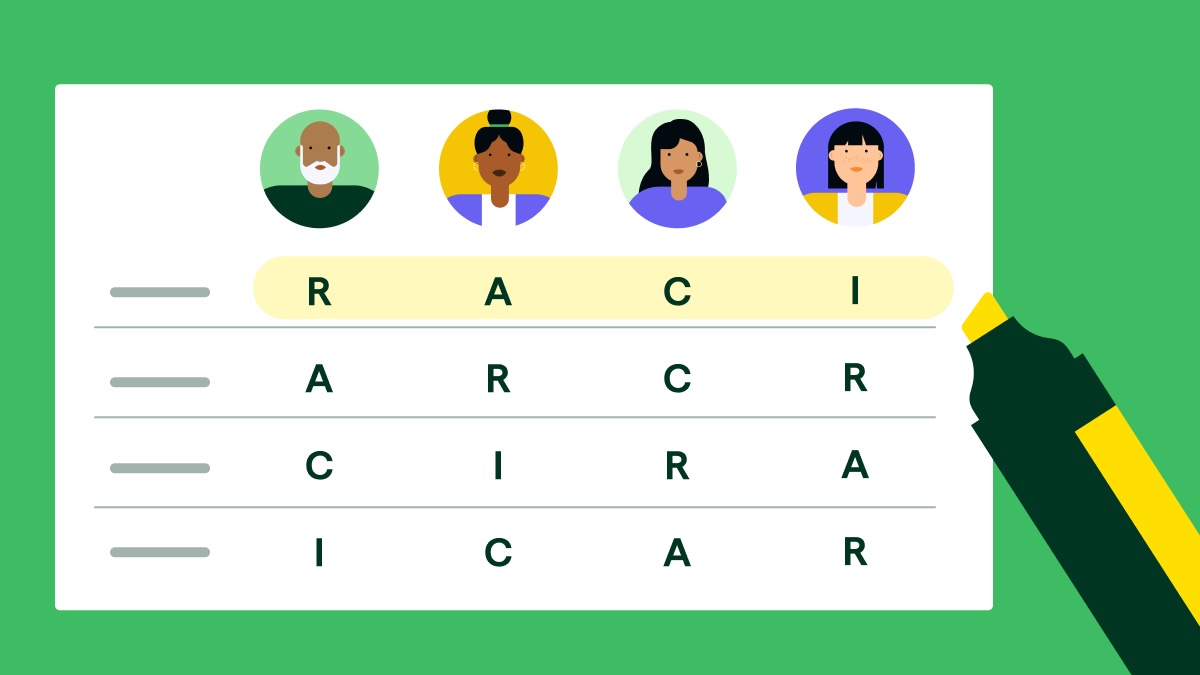
A matrix to clarify roles by defining who is Responsible, Accountable, Consulted, and Informed for project tasks.
Control
Pull Principle
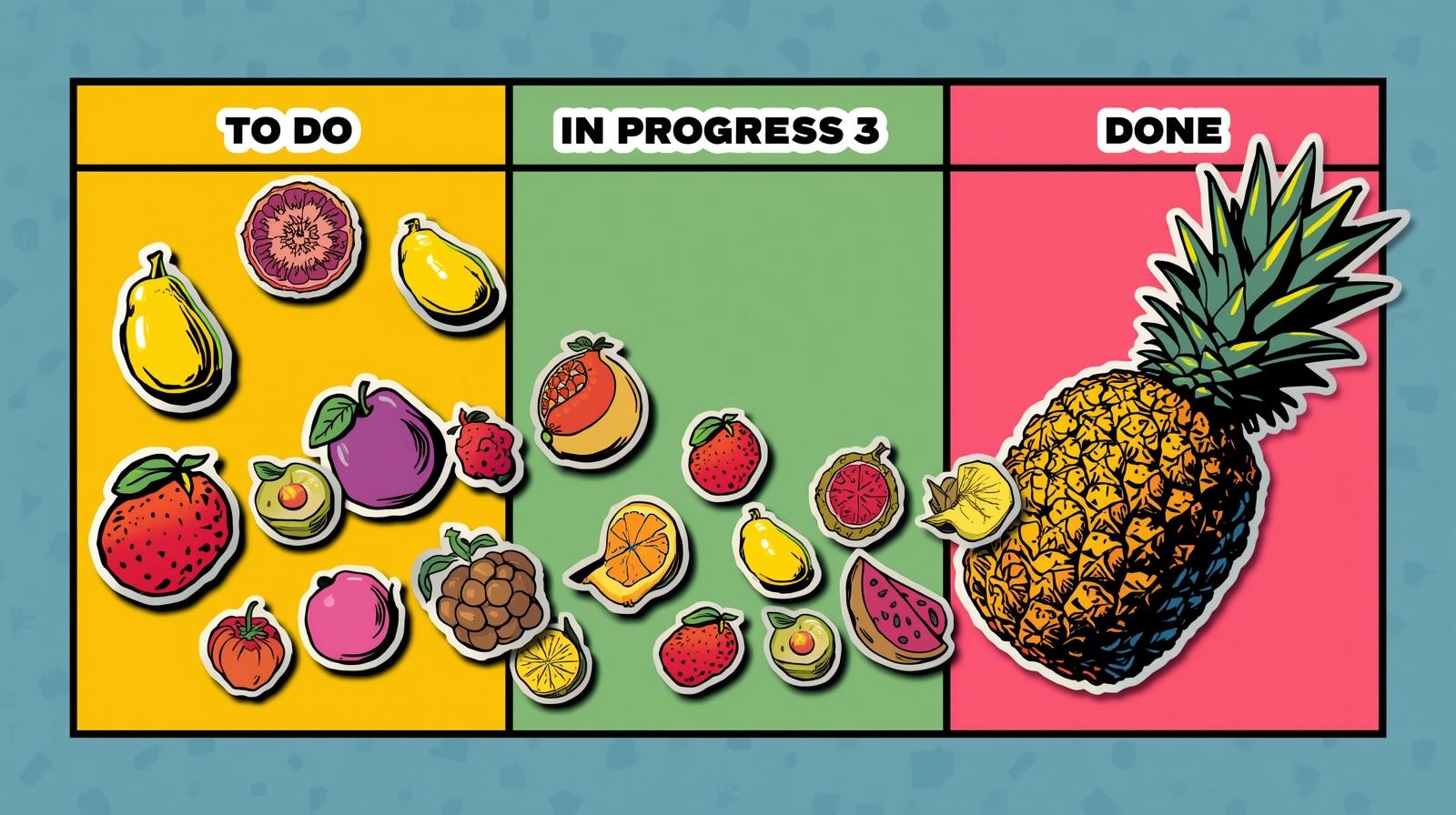
A core LEAN/Kanban concept where team members "pull" work into the next stage only when they have the capacity, rather than having work "pushed" onto them.
Change Requests (CR)

Formal proposals to modify any document, deliverable, or baseline. In traditional PM, this is managed through a rigid Change Control process.
Quality Checklist & Control Charts
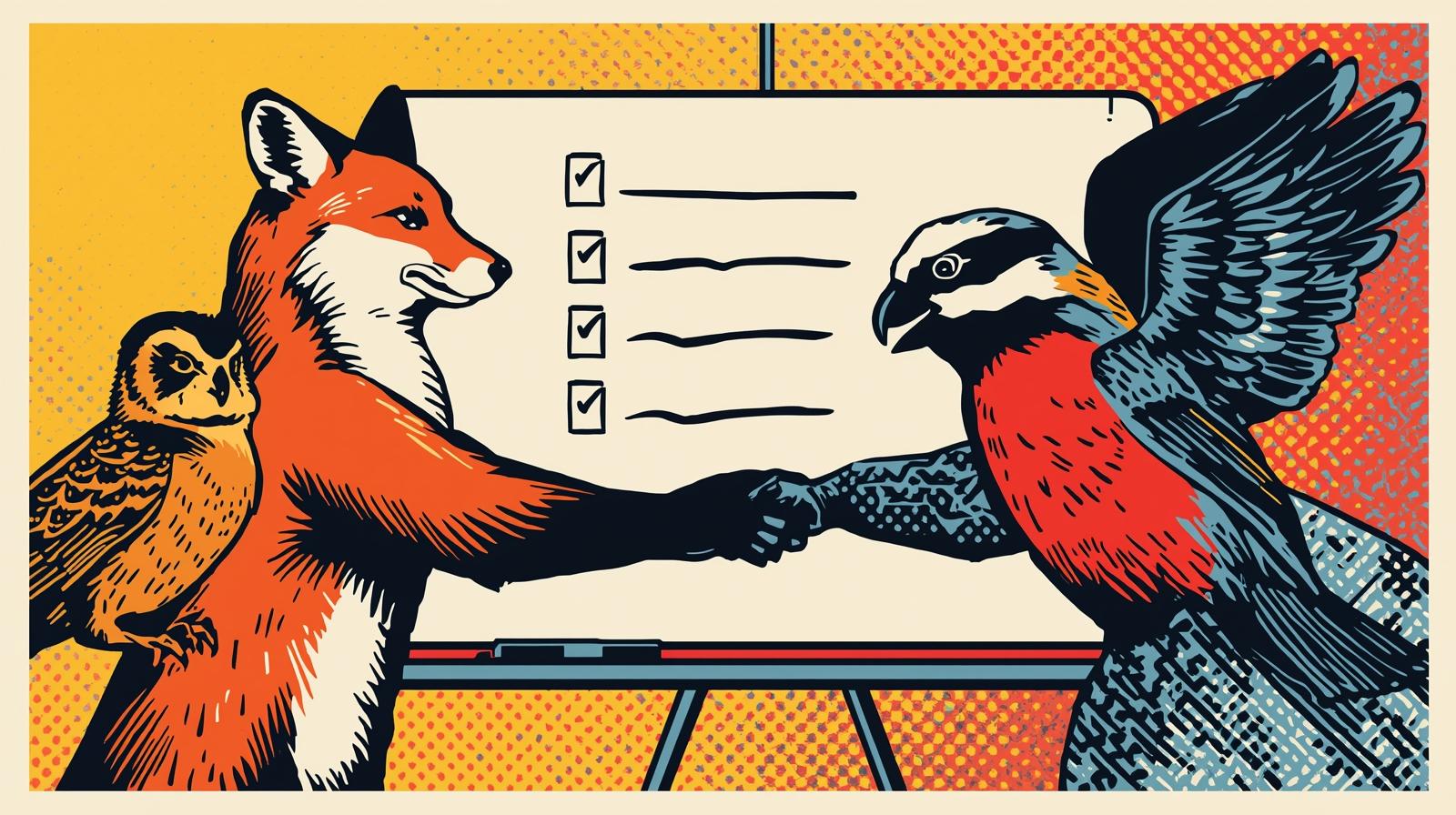
Checklists ensure all steps are followed. Control Charts are used to determine whether a process is stable or has predictable performance.
Cause and Effect Diagrams
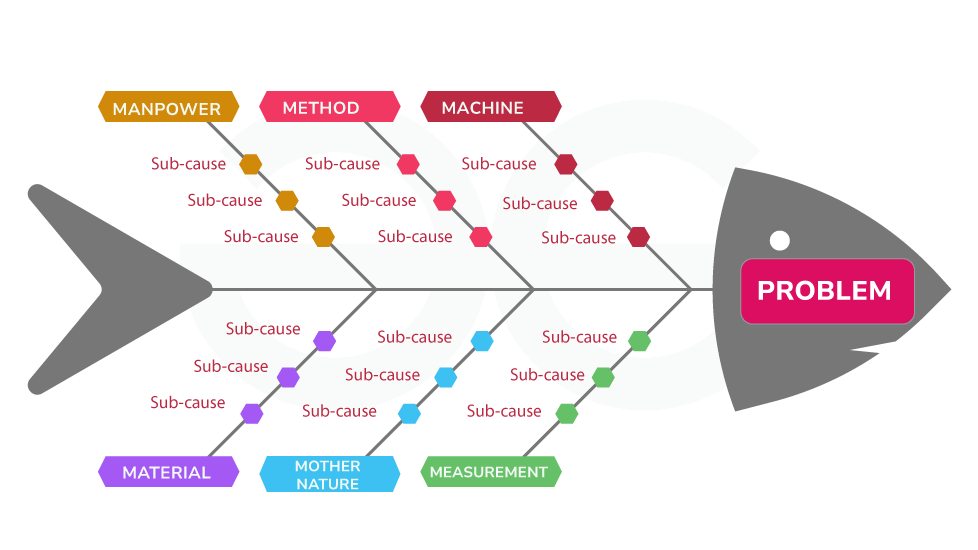
Also known as Fishbone or Ishikawa diagrams, these are used to identify the potential root causes of a problem. A key tool in quality control and retrospectives.
Implementation & Review
The Agile Sprint
The central event in Scrum; a fixed-length period (1-4 weeks) during which the team works to create a "Done" product Increment.
Earned Value Management (EVM)

A traditional method for measuring project performance by integrating scope, schedule, and cost baselines to forecast future performance.
Project Closure Report

A formal document that summarizes the project's performance, final outcomes, and provides a final record for the organization.
Kaizen
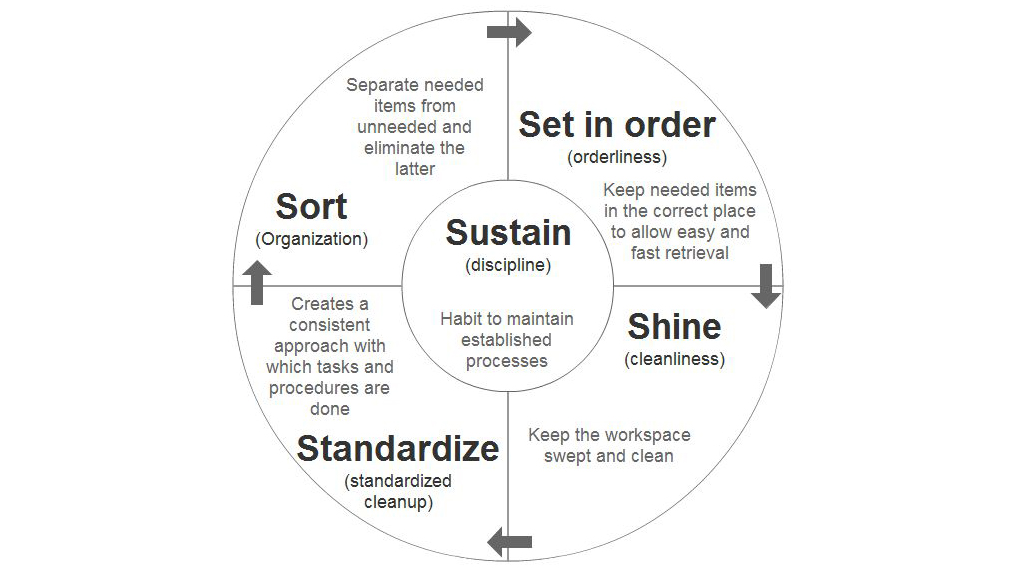
A Japanese business philosophy of continuous improvement of working practices and personal efficiency. A core principle of Agile retrospectives.
The Future of PM
AI-Driven Project Management
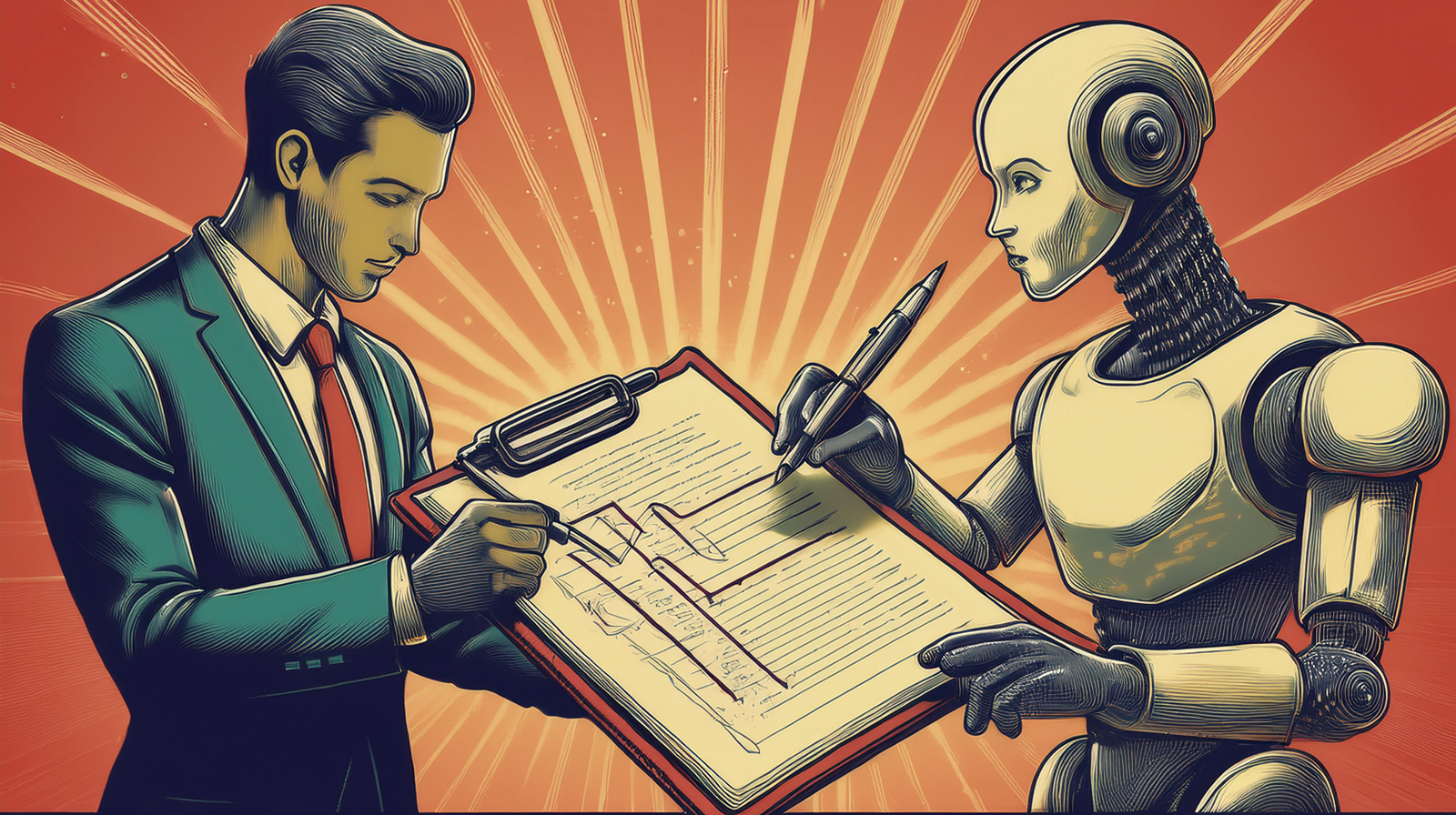
The use of Artificial Intelligence to automate tasks, predict risks, analyze data, and optimize project schedules, leading to more efficient and successful outcomes.
Prompt Engineering for PM

The skill of crafting effective text-based prompts to get the most accurate and useful outputs from Large Language Models (LLMs) for project management tasks.