Conflict Resolution & Risk Management
A practical guide to identifying and mitigating common project challenges.
Understanding Project Risks

A risk matrix chart showing different levels of risk based on their probability and impact, from low to high.
All projects face risks—potential events that can negatively impact their success. Common risks include scope creep, budget overruns, resource constraints, and stakeholder conflicts. Effective project managers don't wait for these problems to occur; they identify and mitigate them through proactive planning, clear communication, and continuous monitoring. A comprehensive risk assessmentThe process of identifying potential risks, analyzing their potential impact, and evaluating their likelihood. is the first step toward building a resilient project plan.
Schedule Risks
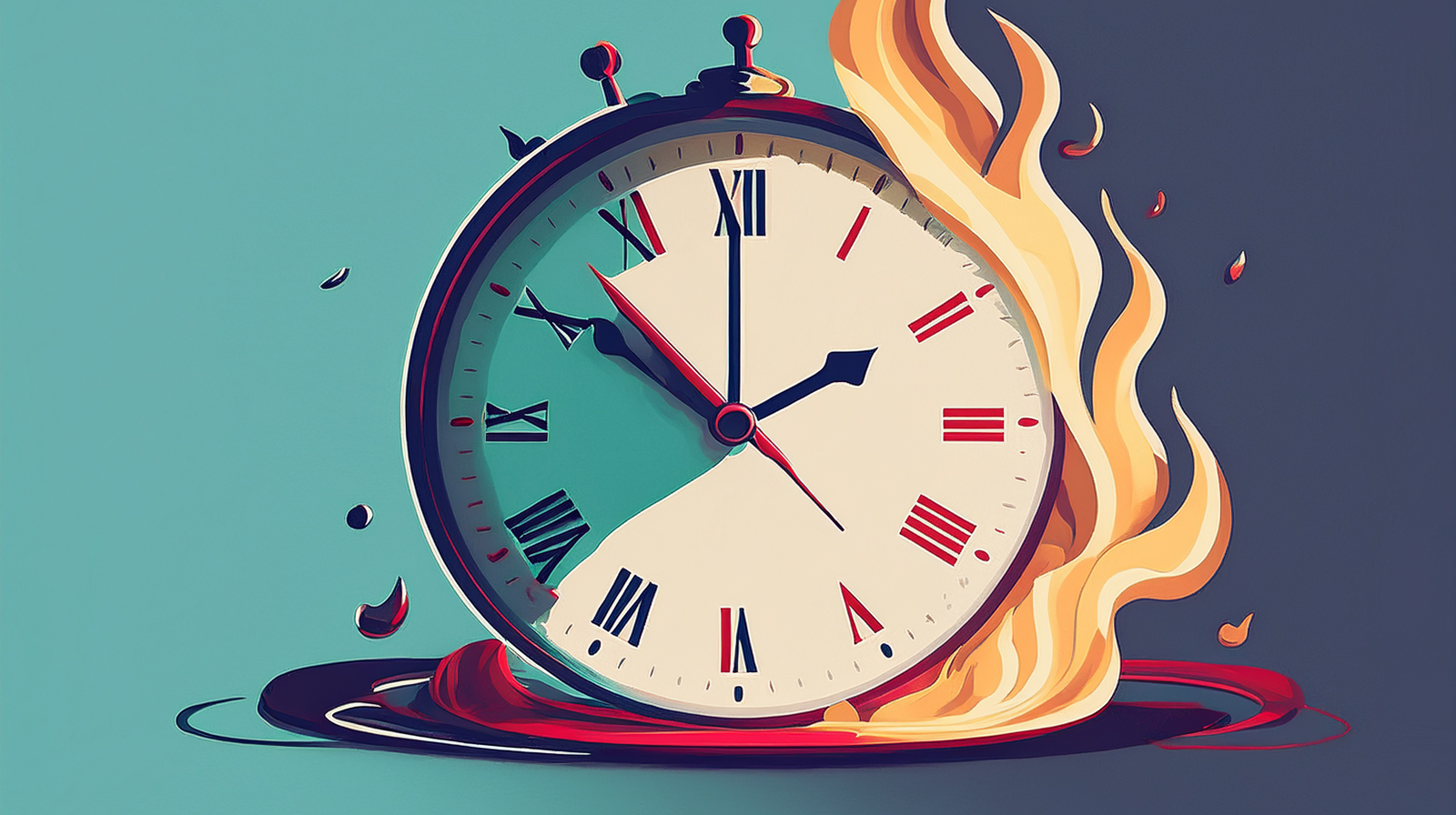
A clock face appearing to stretch and distort, symbolizing the pressure and potential for delays in a project schedule.
Risk Example: Delays in the project timeline due to unforeseen circumstances.
Mitigation Strategies:
- Conduct thorough project planning and create a realistic schedule with buffers.
- Identify potential schedule risks upfront and develop contingency plans.
- Regularly monitor progress against the schedule and make adjustments as needed.
- Maintain open communication with stakeholders to manage their expectations about timelines.
Resource Risks
A balancing scale with project tasks on one side and resources (people, money icons) on the other, symbolizing the need for balance.
Risk Example: Insufficient resources (e.g., budget, personnel, equipment) to complete the project.
Mitigation Strategies:
- Conduct a comprehensive resource assessment during the planning phase.
- Allocate resources effectively and monitor their utilization throughout the project.
- Identify potential resource shortages early and have a plan for acquiring more if needed.
- Consider outsourcing or partnering if internal resources are insufficient.
Scope Risks & Scope Creep
An image showing a simple stick figure drawing that, through a series of steps, evolves into an overly elaborate and detailed masterpiece, symbolizing scope creep.
Risk Example: Scope CreepThe uncontrolled expansion or addition of project scope without proper evaluation, approval, or adjustment of time and resources., where the project expands beyond its original requirements.
Mitigation Strategies:
- Clearly define the project scope and get formal agreement from all key stakeholders.
- Implement a strict change control processA formal process used to ensure that changes to a product or system are introduced in a controlled and coordinated manner. to manage any proposed changes.
- Regularly review proposed changes for their impact on the project's objectives, timeline, and budget.
- Communicate all approved scope changes clearly to stakeholders.
Deep Dive: Causes of Scope Creep
A Cause and Effect (Fishbone) diagram showing multiple potential causes leading to the central problem of "Scope Creep".
Scope creep is rarely caused by a single issue. Common causes include:
- Poorly defined initial scope: Ambiguity at the start creates room for later additions.
- Lack of stakeholder communication: If stakeholders aren't engaged, their expectations can diverge from the plan.
- Changing requirements: Without a formal change process, new ideas can easily be added without assessing their impact.
- "Gold plating": Team members adding extra features that weren't requested, often with good intentions but negative consequences.
- Lack of project control: A failure to enforce the agreed-upon scope and change management process.
Communication Risks

Two people sitting at a table engaged in a clear, constructive conversation, symbolizing effective communication.
Risk Example: Ineffective communication among team members, stakeholders, or external parties.
Mitigation Strategies:
- Establish a clear communication planA document that outlines the who, what, when, where, and how of project communication. at the start of the project.
- Use a variety of communication tools to suit different needs (e.g., daily stand-ups, status reports, shared documents).
- Foster a culture of open and transparent communication within the team.
- Provide regular, predictable updates to stakeholders and address their concerns promptly.
Quality Risks
A quality control chart with data points plotted between upper and lower control limits, used to monitor process stability and quality.
Risk Example: Failure to meet quality standards or deliver a product that meets customer expectations.
Mitigation Strategies:
- Develop a quality management planA plan that defines the acceptable level of quality for the project and describes how the project will ensure this level of quality in its deliverables. with clear objectives.
- Conduct regular quality inspections and tests throughout the project, not just at the end.
- Implement a feedback loop with stakeholders to ensure their satisfaction.
- Continuously monitor and improve quality processes based on lessons learned from retrospectives.
Financial Risks
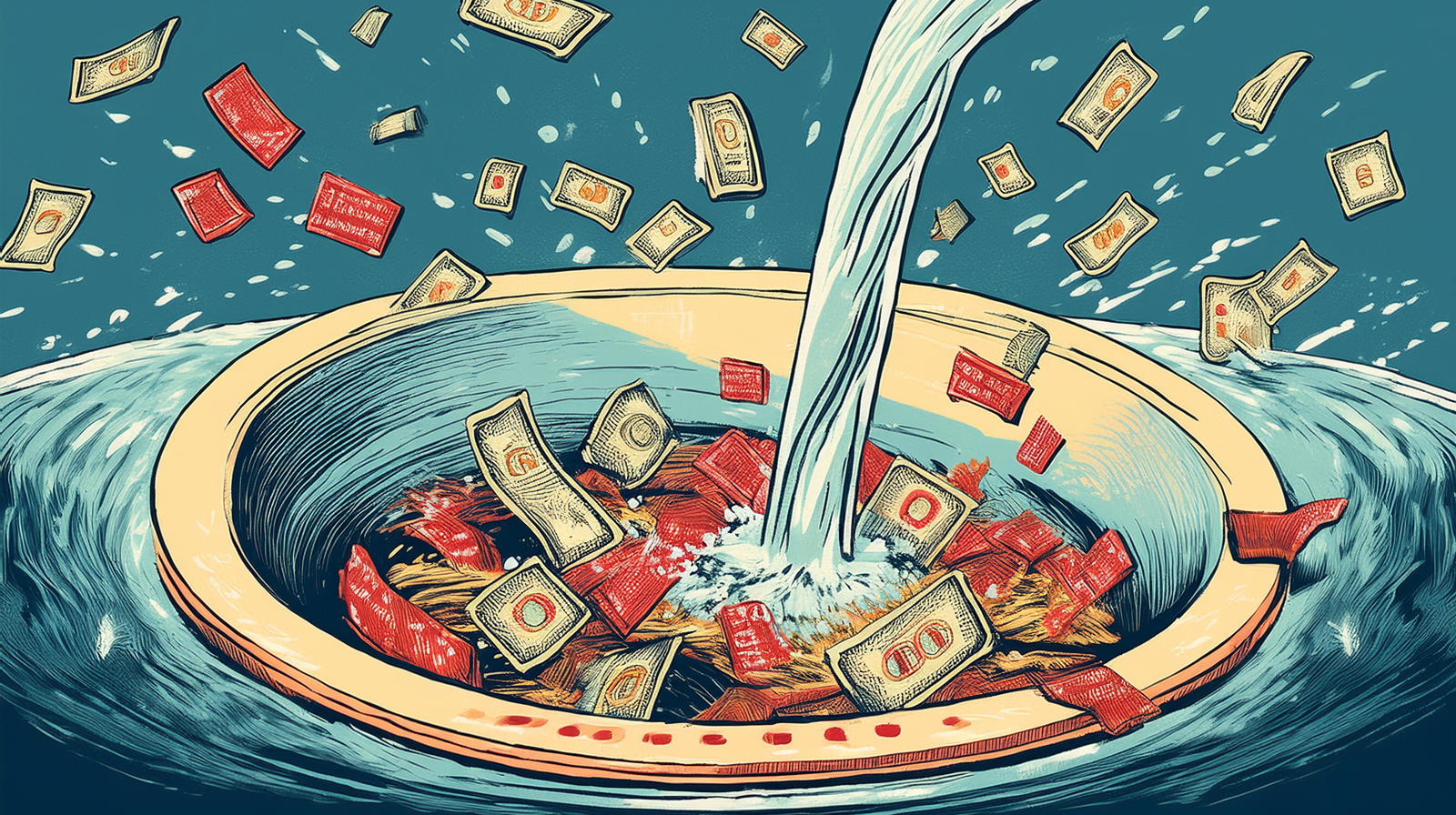
A financial chart showing a budget being tracked over time, with bars representing actual spending against a planned baseline.
Risk Example: Budget overruns or insufficient funding to complete the project.
Mitigation Strategies:
- Conduct a thorough cost estimation and budgeting process upfront.
- Regularly monitor project expenses and compare them against the budget.
- Implement cost control measures to manage spending effectively.
- Communicate any budget deviations to stakeholders immediately and discuss potential solutions.
External Risks: Force Majeure
A dramatic image of a lightning strike near a building, symbolizing an unforeseeable and uncontrollable external event.
Risk Example: Unforeseeable circumstances that prevent someone from fulfilling a contract, such as natural disasters, wars, or pandemics.
Mitigation Strategies:
- Include force majeure clauses in contracts to define responsibilities in such events.
- Develop business continuity and disaster recovery plans.
- Maintain open communication with stakeholders to navigate the situation collaboratively.
Conflict Resolution Techniques
Collaborating (Problem-Solving)

An image of two people working together, successfully fitting two large puzzle pieces together, symbolizing a win-win outcome.
This "win-win" approach involves working together to find a solution that fully satisfies all parties. It requires a high degree of trust and open dialogue, where the goal is to confront the problem, not each other. This method is ideal for resolving complex issues that are critical to the project's success.
Compromising (Reconciling)

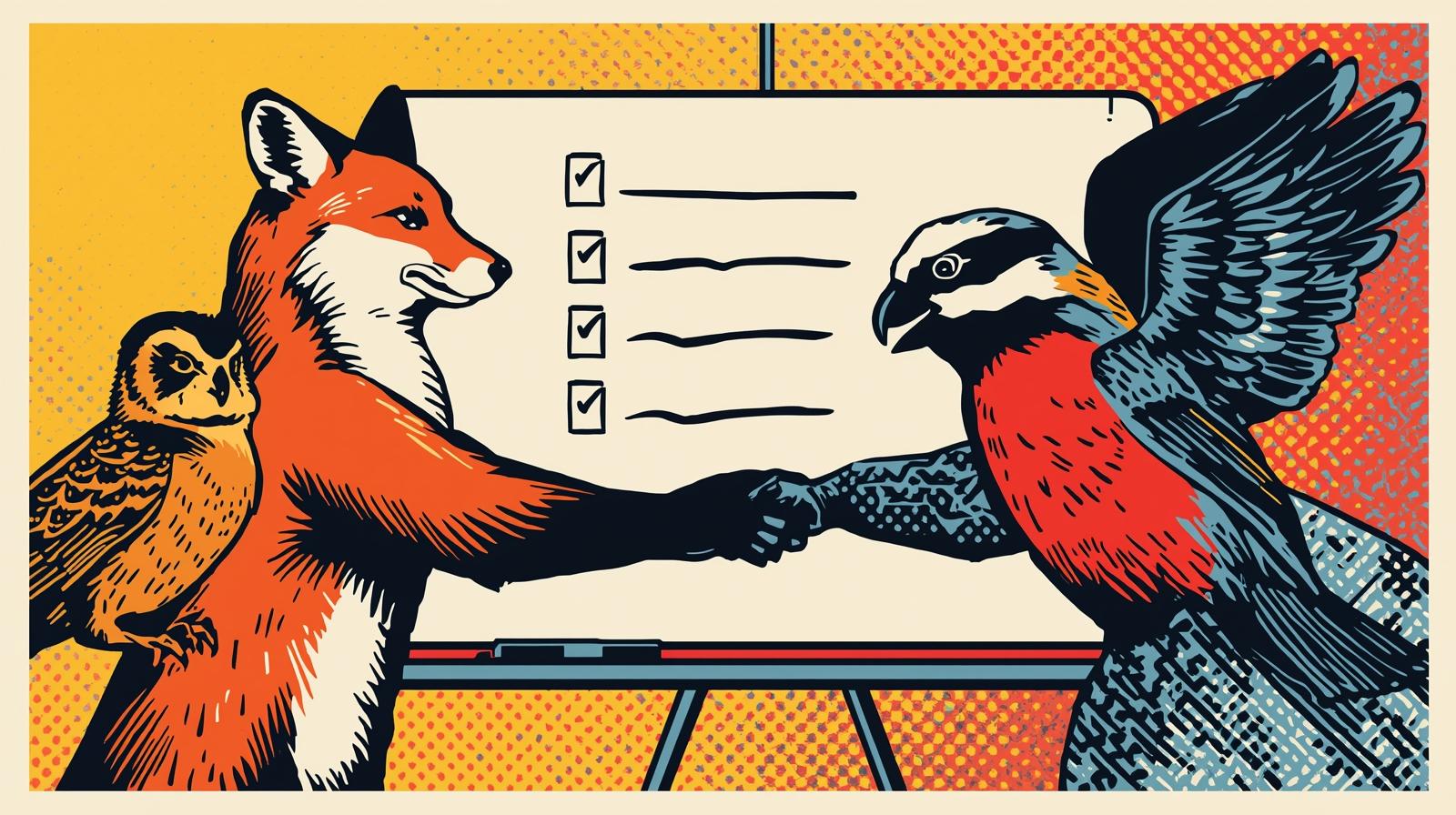
An image of two hands shaking, with a split object between them, symbolizing that each party gives something up to reach an agreement.
This "lose-lose" approach seeks to find a middle ground where both parties give up something to reach an agreement. It's a "give and take" strategy that is useful when the stakes are moderately important and a quick, temporary solution is needed. While it doesn't fully satisfy anyone, it allows the project to move forward.
Forcing (Directing)
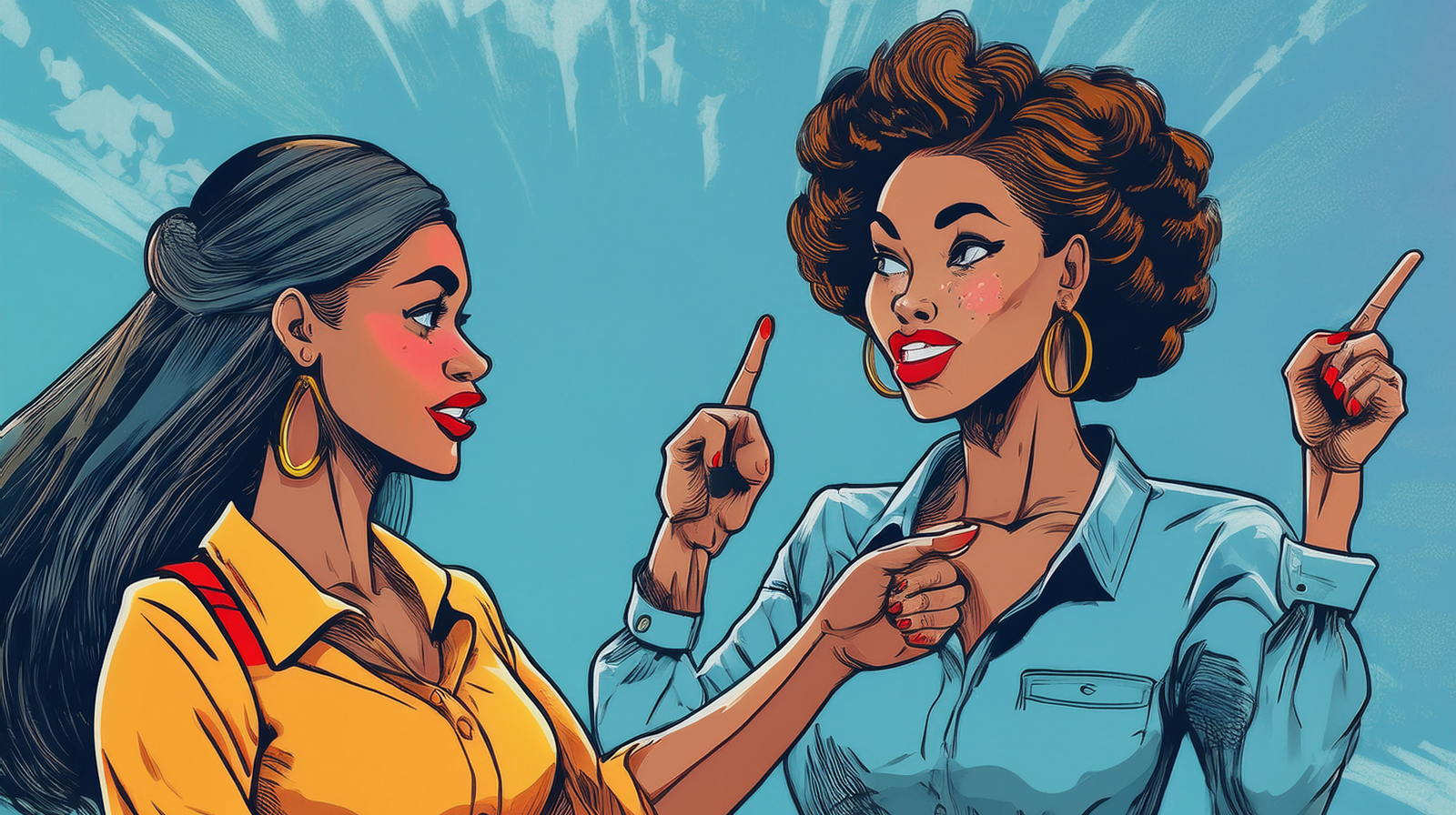
An image of one person authoritatively pointing and giving a direction to another, who looks dejected, symbolizing a win-lose outcome.
This "win-lose" approach involves using power or authority to push one's own viewpoint at the expense of others. It's a direct and often confrontational method that is typically only appropriate in emergencies or when a quick, decisive action is absolutely necessary and the stakes are high. It can damage relationships if used improperly.
Smoothing (Accommodating)

An image of one person putting a comforting hand on another's shoulder, symbolizing an emphasis on harmony and de-escalation.
This technique emphasizes areas of agreement rather than areas of difference. It's a de-escalating approach that can be used to maintain harmony and relationships when the issue is not critical. However, it doesn't resolve the underlying conflict, so it's often a temporary solution to a less important problem.
Avoiding (Withdrawing)

An image of a person turning their back and walking away from another, symbolizing withdrawal from a conflict.
This involves retreating from a conflict or postponing a decision. It can be useful when the issue is trivial, tensions are high and a cooling-off period is needed, or when you have no power to resolve the situation. However, avoiding the problem rarely makes it go away and can lead to bigger issues later on.